
Featured
-
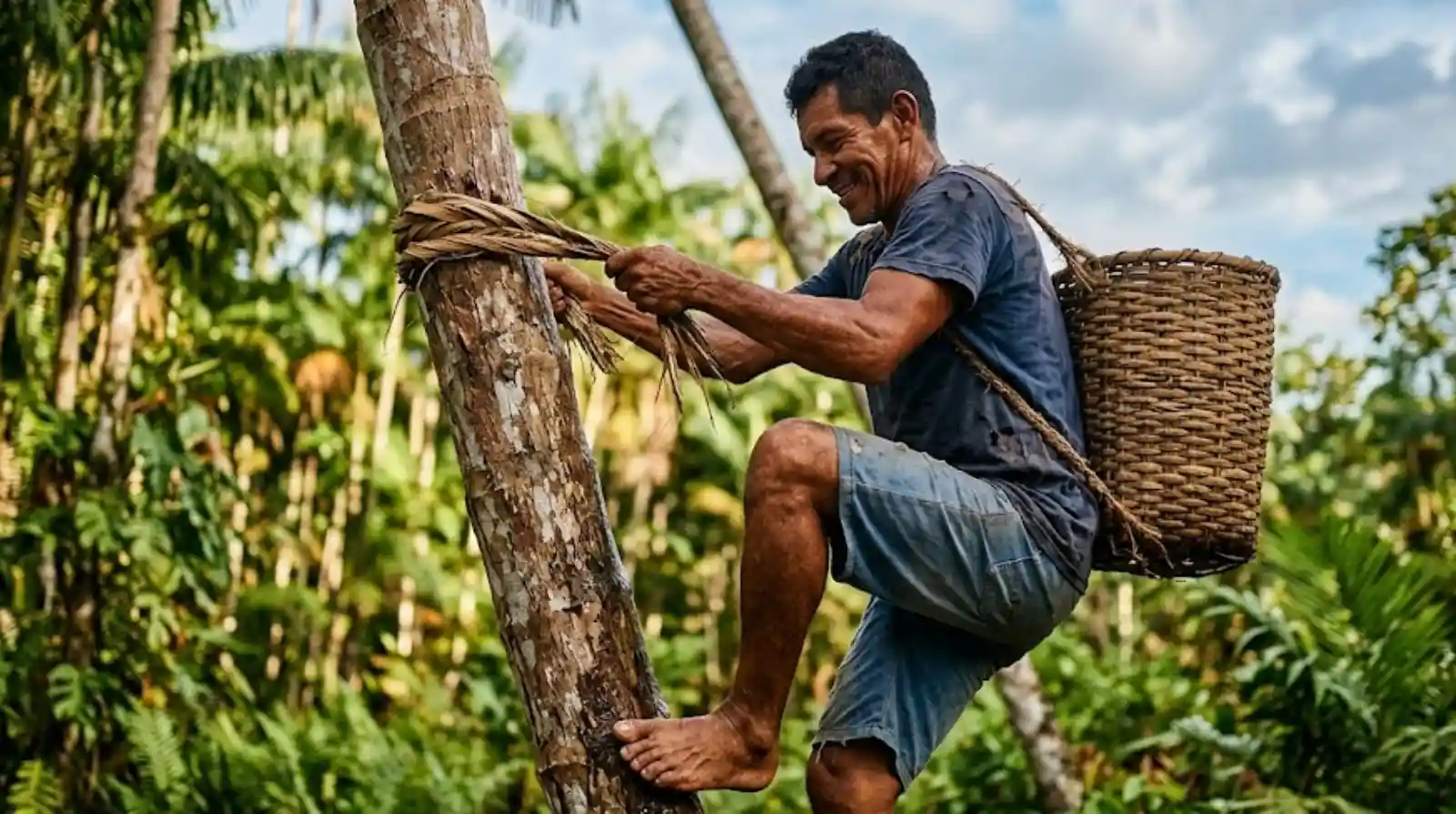
Peconheiros: the 20 metre climb behind every açaí harvest
They harvest the fruit that drives a billion-real economy in Para by climbing palms up to 20 metres tall with a rope…
Latest Stories
-
How Amazon Farm Waste Is Becoming Raw Material for a Circular Bioeconomy
Cocoa husks and açaí pressing cake are no longer rubbish. Biofertilizers, biochar and bioplastics are turning Amazonian harvest leftovers into a new…
-
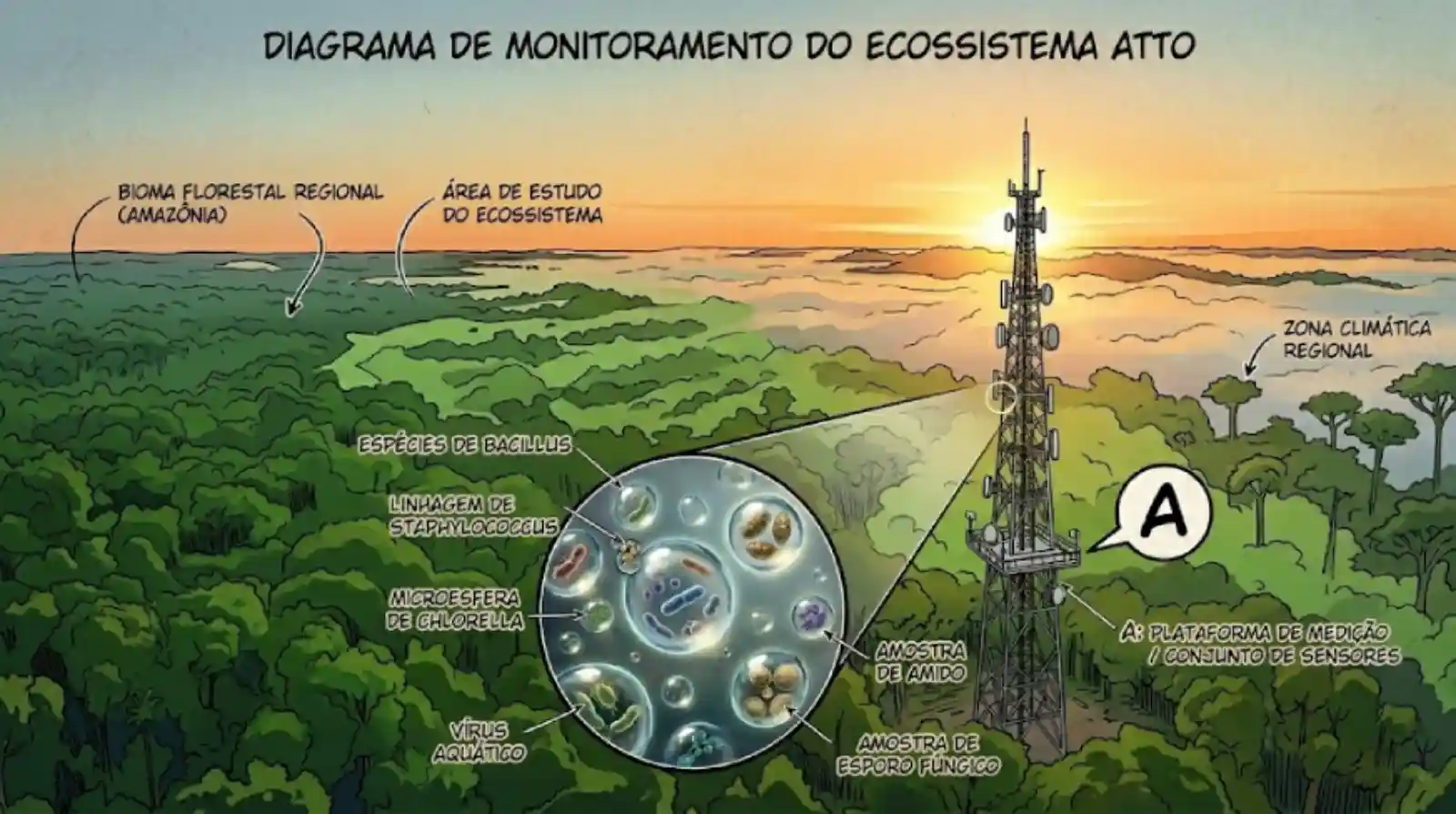
Brazilian scientists find a living ecosystem of microorganisms drifting in the fog 325 metres above the Amazon
At the top of the ATTO tower, 325 metres above the Brazilian Amazon rainforest, UFPR researchers identified thousands of lineages of living…
-
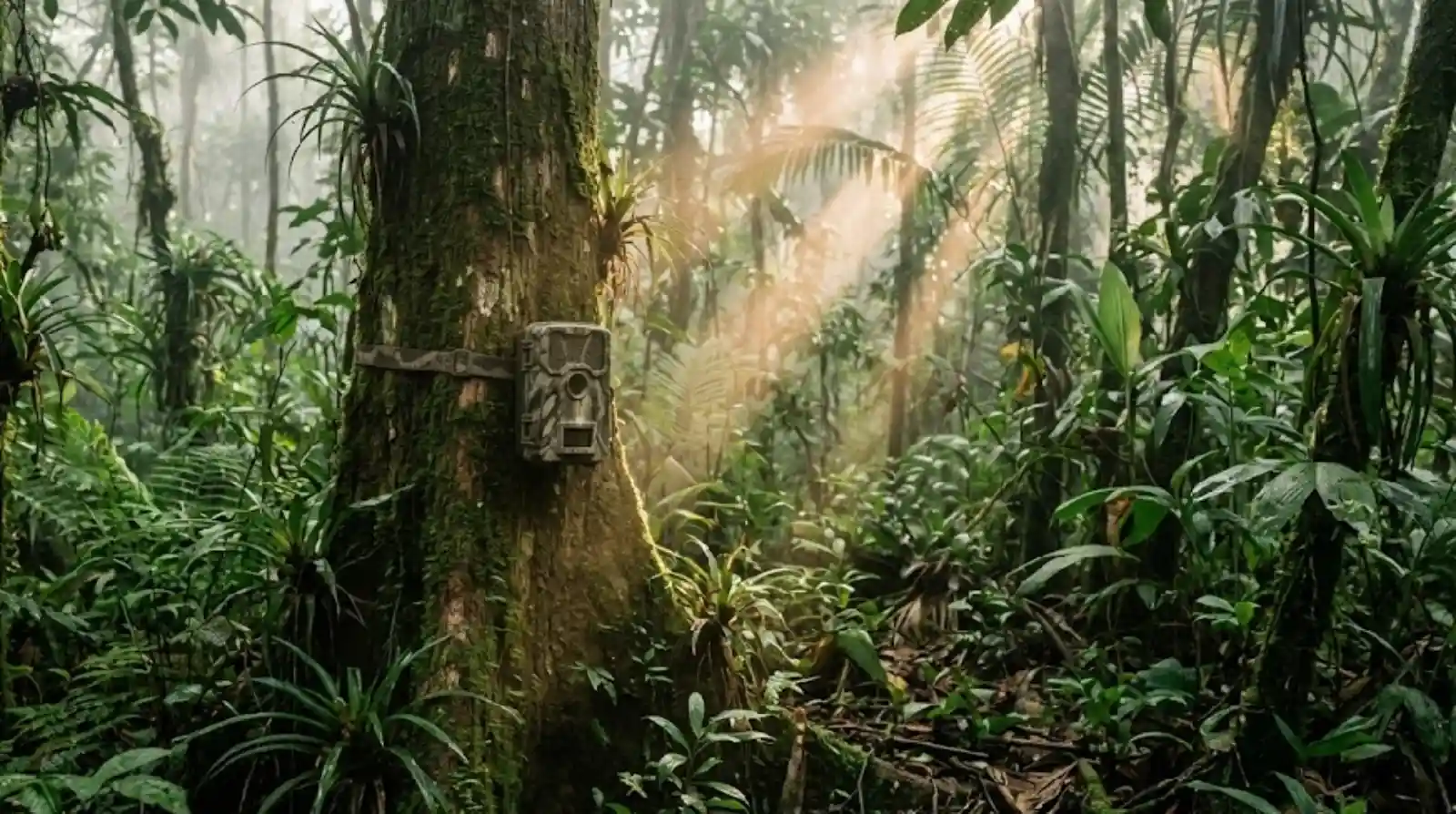
Bioacoustics: Scientists Listen to the Amazon to Find Species
Autonomous recorders and artificial intelligence identify Amazon animals by voice alone, without seeing them, and reveal whether the forest is still healthy.
-

Cassava: the house of Mani, the Tupi language and the craft that removes the poison
In the Tupi language, mandi-oca means “the house of Mani”. Behind the legend lies hard botany: a root that defends itself with…
-
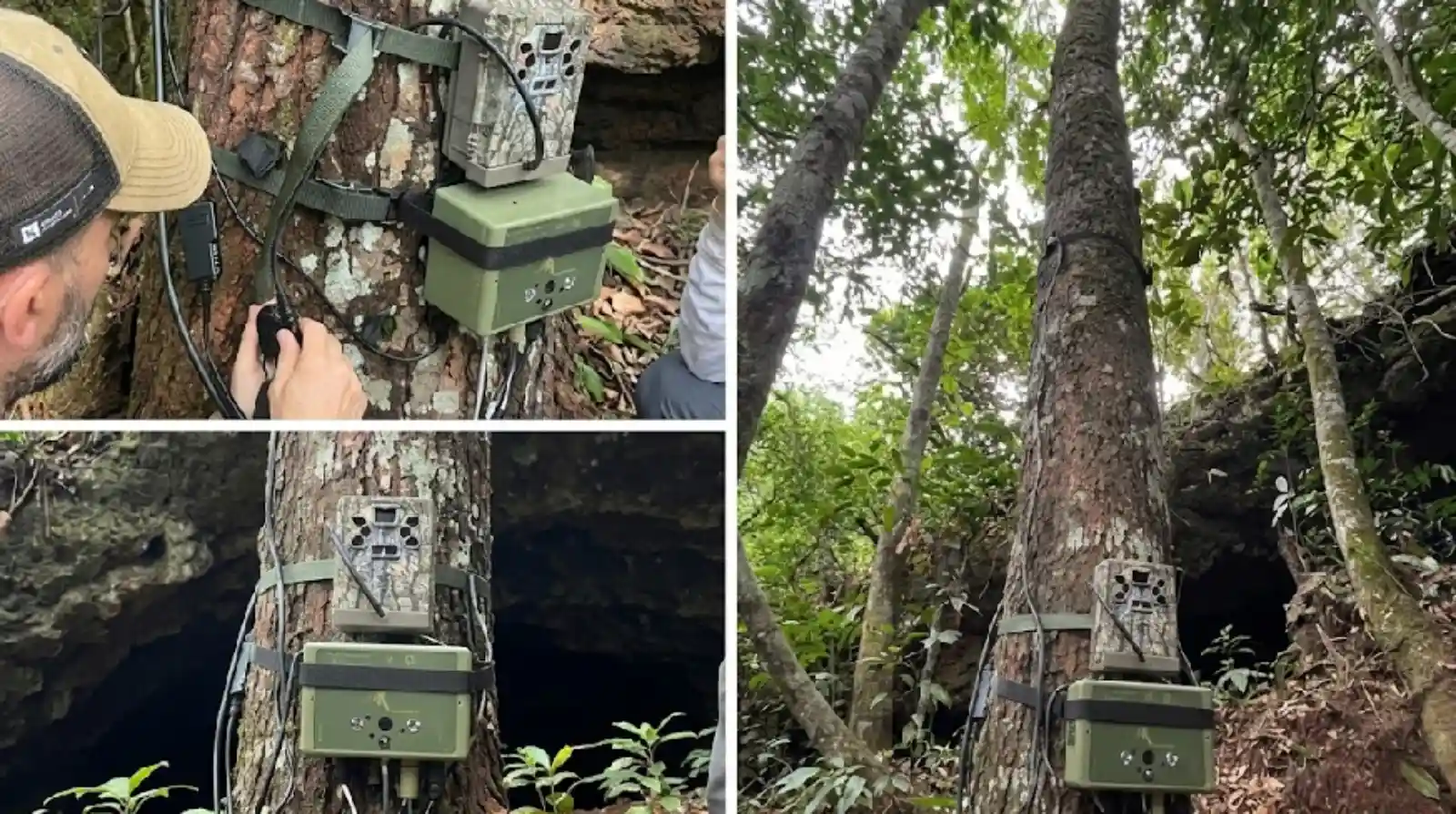
Counting Wildlife Pays: The Real Economics of Field Monitoring
Camera traps, satellite collars and hidden microphones cost less than an expedition and deliver far more data. Wildlife monitoring has stopped being…
-
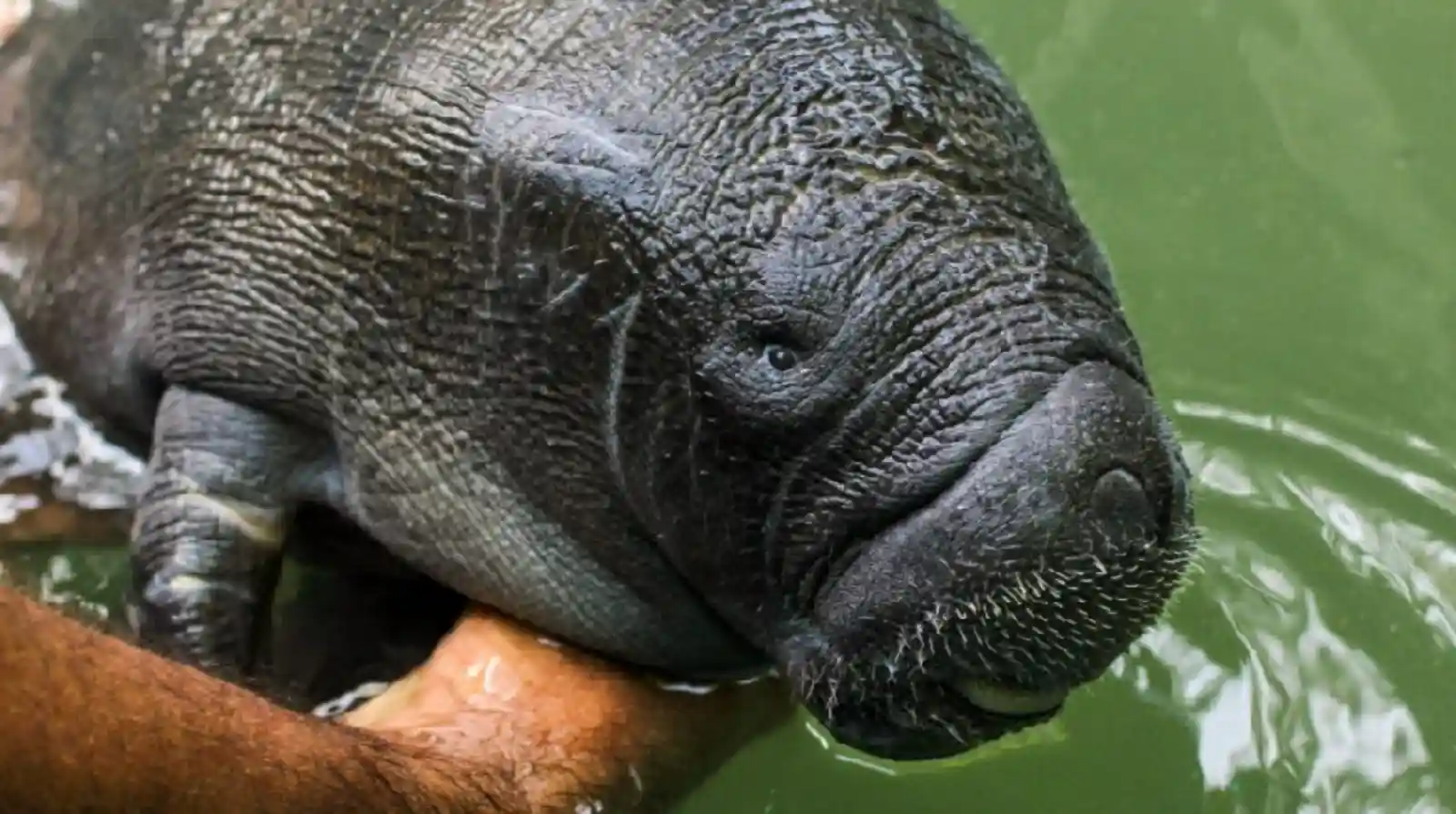
Amazon Giants at the Limit as River Water Passes 39 °C
With river water climbing past 39 °C during the extreme droughts, dolphins, manatees, tapirs and jaguars are pressing against their physiological ceiling.…
Wildlife
-
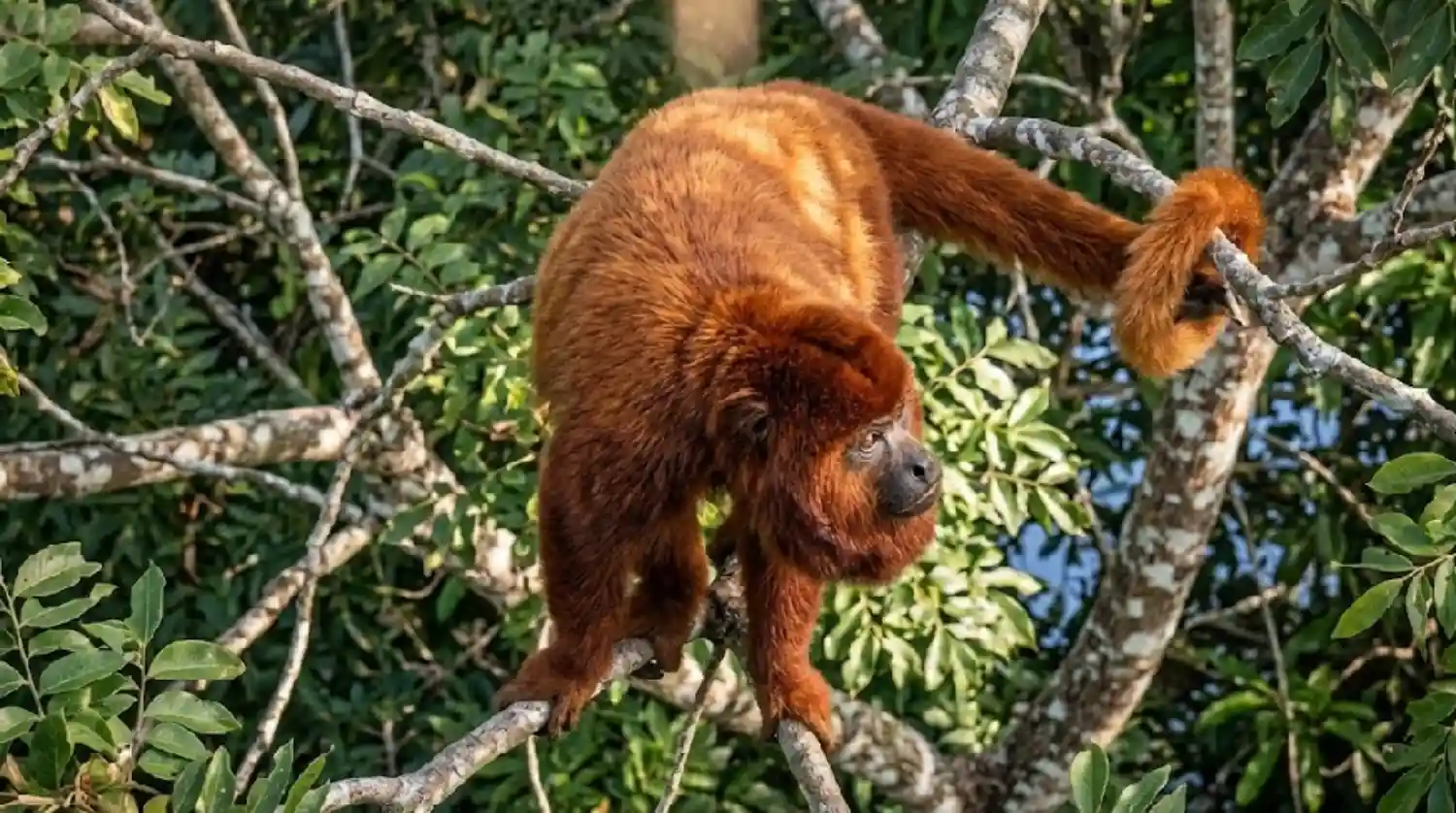
The Hyoid Bone That Makes the Howler Monkey the Loudest Primate on Earth
A throat bone up to twenty five times larger than expected turns the howler monkey into the loudest land animal in the…
-
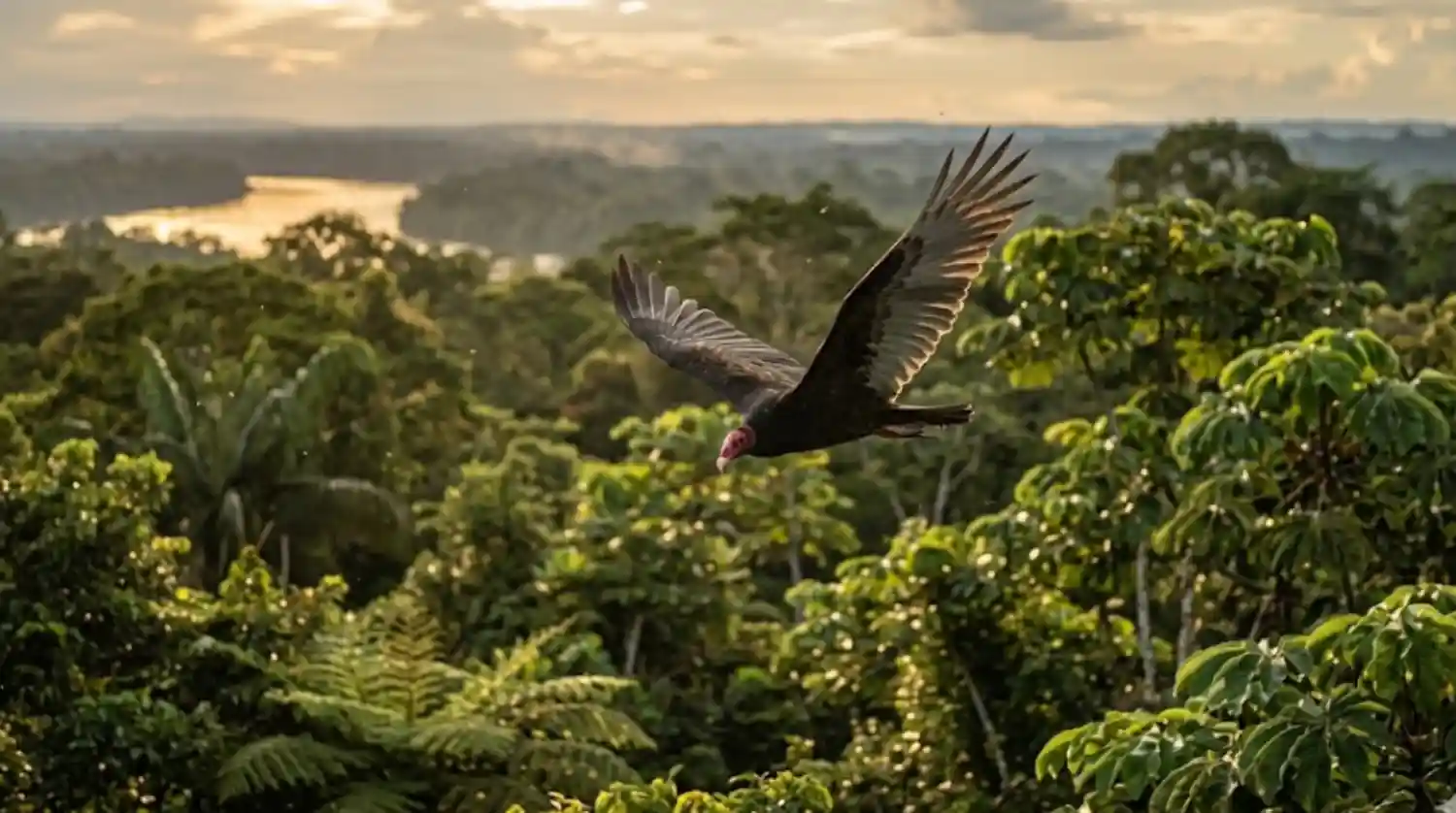
The Turkey Vulture and the Nose That Finds Carcasses Under the Canopy
The turkey vulture does not hunt for food with its eyes. An outsized olfactory bulb lets it smell the gases of putrefaction…
-
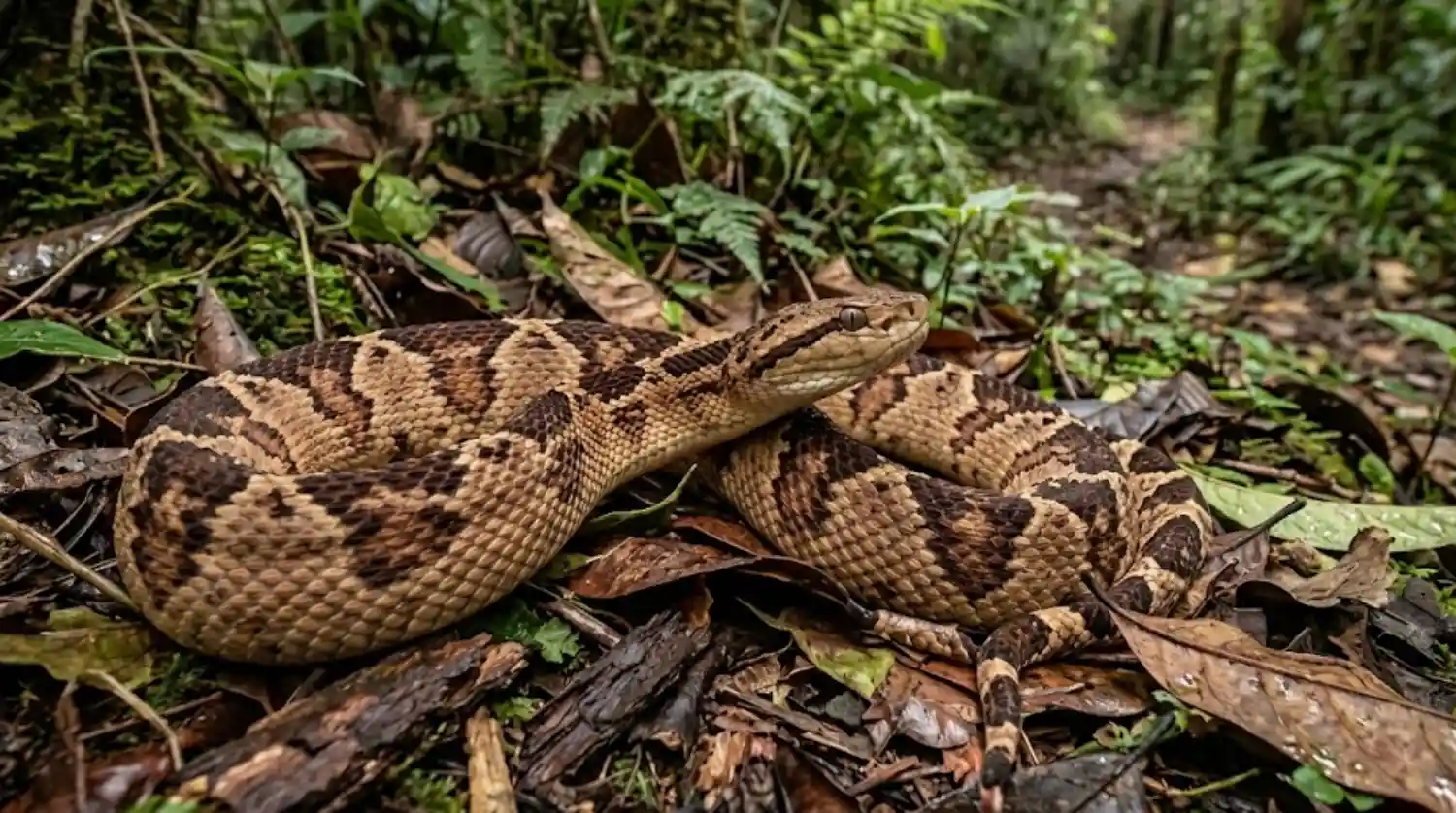
The bushmaster and the art of vanishing into the leaf litter
The largest venomous snake in the Americas can spend weeks motionless on dead leaves without anyone telling it apart from the ground.…
Environment
-
Peconheiros: the 20 metre climb behind every açaí harvest
They harvest the fruit that drives a billion-real economy in Para by climbing palms up to 20 metres tall with a rope…
-
Amazon Giants at the Limit as River Water Passes 39 °C
With river water climbing past 39 °C during the extreme droughts, dolphins, manatees, tapirs and jaguars are pressing against their physiological ceiling.…
-
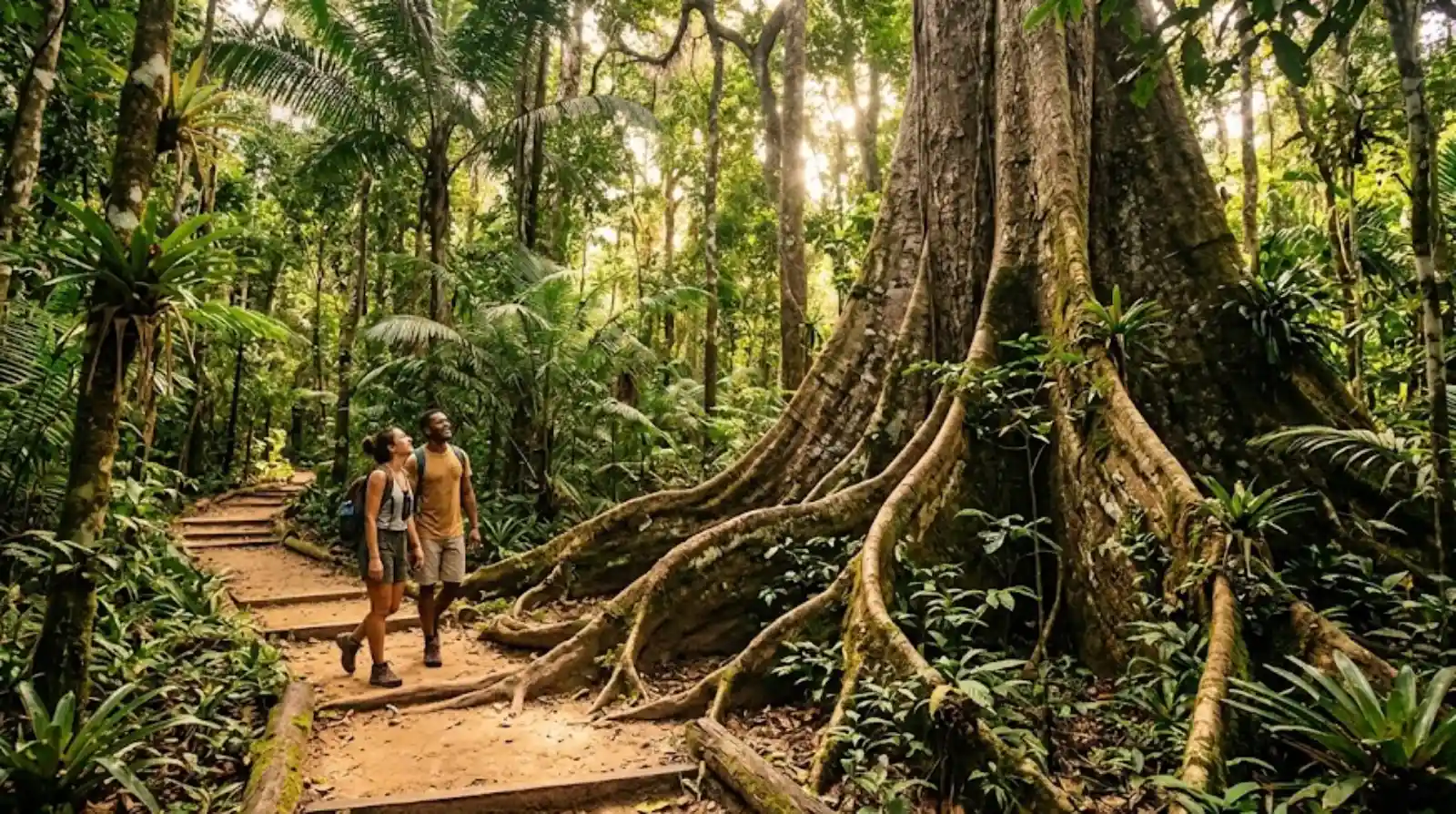
Tapajós National Forest: community ecotourism that keeps the Amazon standing
In western Pará, the Tapajós National Forest protects 527,000 hectares and trees older than 500 years. There, community based ecotourism funds conservation…
Flora
-
Cassava: the house of Mani, the Tupi language and the craft that removes the poison
In the Tupi language, mandi-oca means “the house of Mani”. Behind the legend lies hard botany: a root that defends itself with…
-
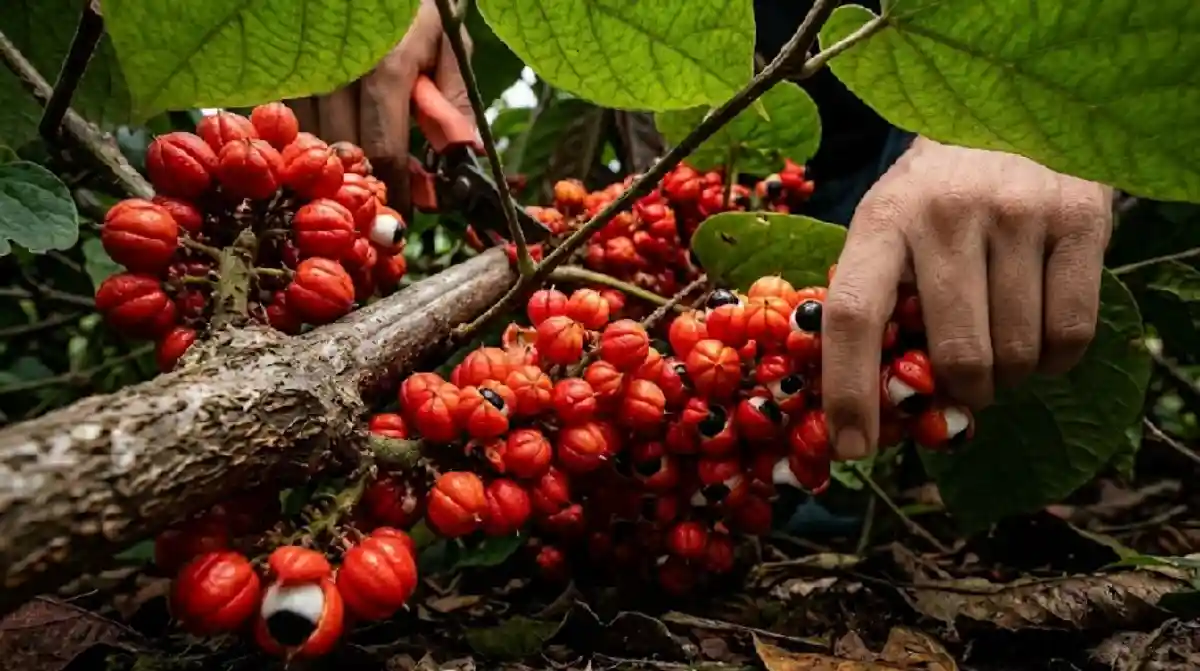
Guarana: The Amazon Seed That Packs Five Times the Caffeine of Coffee
Guarana (Paullinia cupana) is an Amazonian climbing vine whose seeds can hold up to 5% caffeine by dry weight. Behind the world’s…
-
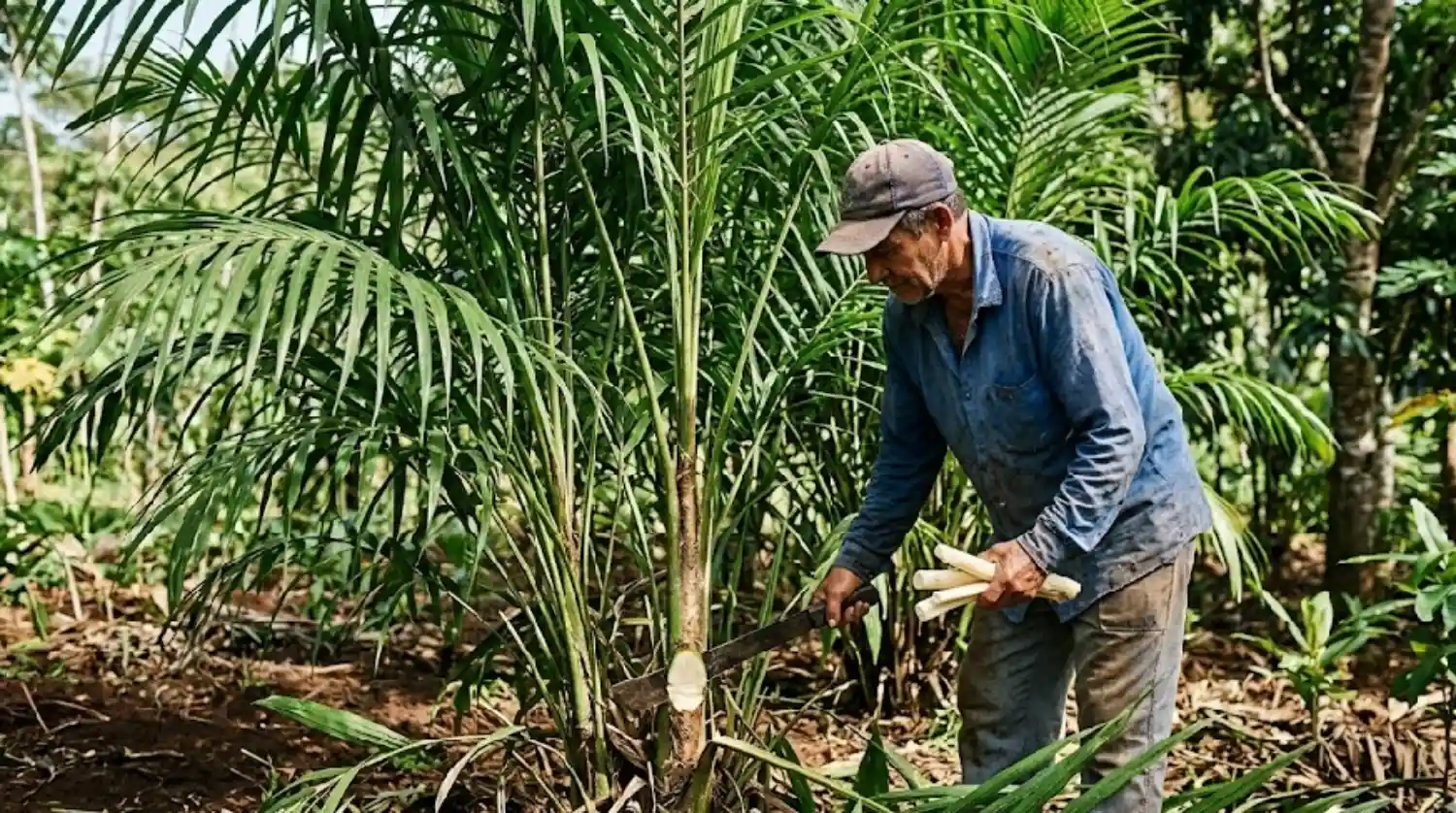
The Peach Palm Heart That Grows Back and Spares the Juçara Palm
Peach palm, or pupunha, is cut without felling the tree: removing the main stem triggers new shoots ready in eighteen months. It…
Science
-
How Amazon Farm Waste Is Becoming Raw Material for a Circular Bioeconomy
Cocoa husks and açaí pressing cake are no longer rubbish. Biofertilizers, biochar and bioplastics are turning Amazonian harvest leftovers into a new…
-
Brazilian scientists find a living ecosystem of microorganisms drifting in the fog 325 metres above the Amazon
At the top of the ATTO tower, 325 metres above the Brazilian Amazon rainforest, UFPR researchers identified thousands of lineages of living…
-
Bioacoustics: Scientists Listen to the Amazon to Find Species
Autonomous recorders and artificial intelligence identify Amazon animals by voice alone, without seeing them, and reveal whether the forest is still healthy.